How to sell a boat privately: a step-by-step guide
A step-by-step guide to selling a boat privately: price it, photograph it, list it, run the sea trial, and close without a dealer.
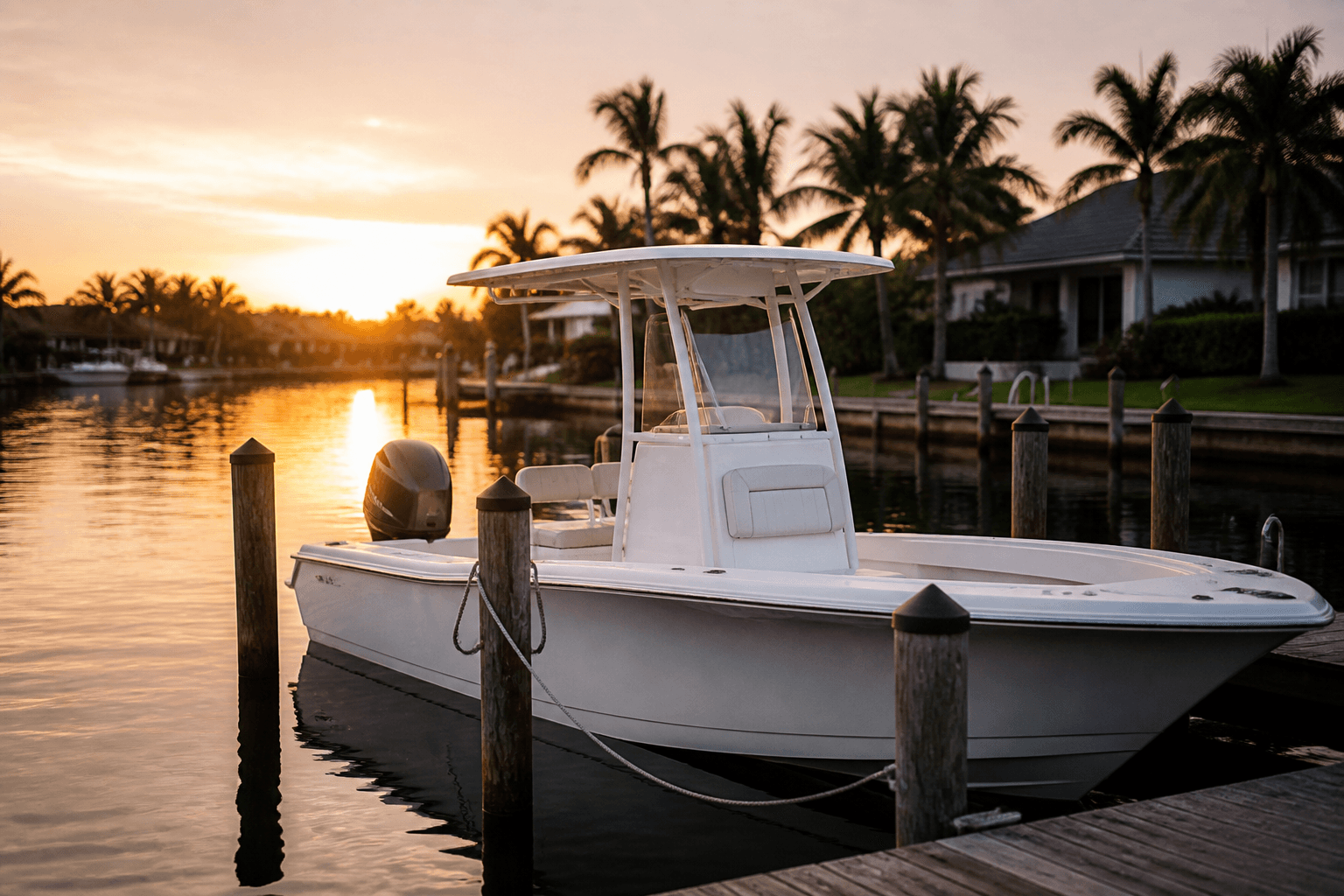
A dealer takes 10 to 15 percent and still wants you to detail the hull. A broker is better, until the listing sits. Selling a boat privately is slower paperwork and a better number, if you do it in the right order.
This is that order. Title first. Photos second. Money last.
What a private sale actually is
You advertise the boat. A buyer finds you. You agree on a price, they inspect it, you sign a bill of sale, and the title moves. No lot. No "we have a guy who might be interested." You are the lot.
That is why private boats often sell for more than a trade-in and a little less than a dealer retail sticker. The gap is the work you are about to do.
If the boat is financed, call the lender before you post anything. Some titles sit with the bank. You cannot sell a boat you cannot assign.
Price it like a buyer, not like a memory
Pull sold comps in your length, year, and engine hours. Asking prices on the internet are wishes. What closed last month is the market.
Hours matter until the engine is old, then calendar time matters more. A 2008 with 180 hours that sat in a driveway is not a low-hour gem. It is a boat that needs an impeller, a lower unit, and someone honest about varnish.
Leave room to move. Buyers who show up in person expect to shave a little. A round number that never budges reads as stubborn, not confident.
Do not advertise "or best offer" if you already know the floor. You will get lowballs from people who never intended to look at it.
Title, HIN, and the trailer that is not the boat
The hull identification number on the transom has to match the title. Sit there with the paper and read it. Typos on old titles are a pain you do not want at the DMV with a buyer tapping a boot.
The trailer often has its own title, plates, and VIN. Plenty of private deals die in the parking lot because the hull is clean and the trailer is still in an uncle's name. Check both before you write the listing.
State registration and Coast Guard documentation are not the same thing. Some boats need both. If you documented it, the bill of sale has extra steps. Look it up for your state instead of guessing from a forum.
If there is a lien, get a payoff letter. The buyer should not wire you and hope the bank cooperates next week.
Photos that do the work
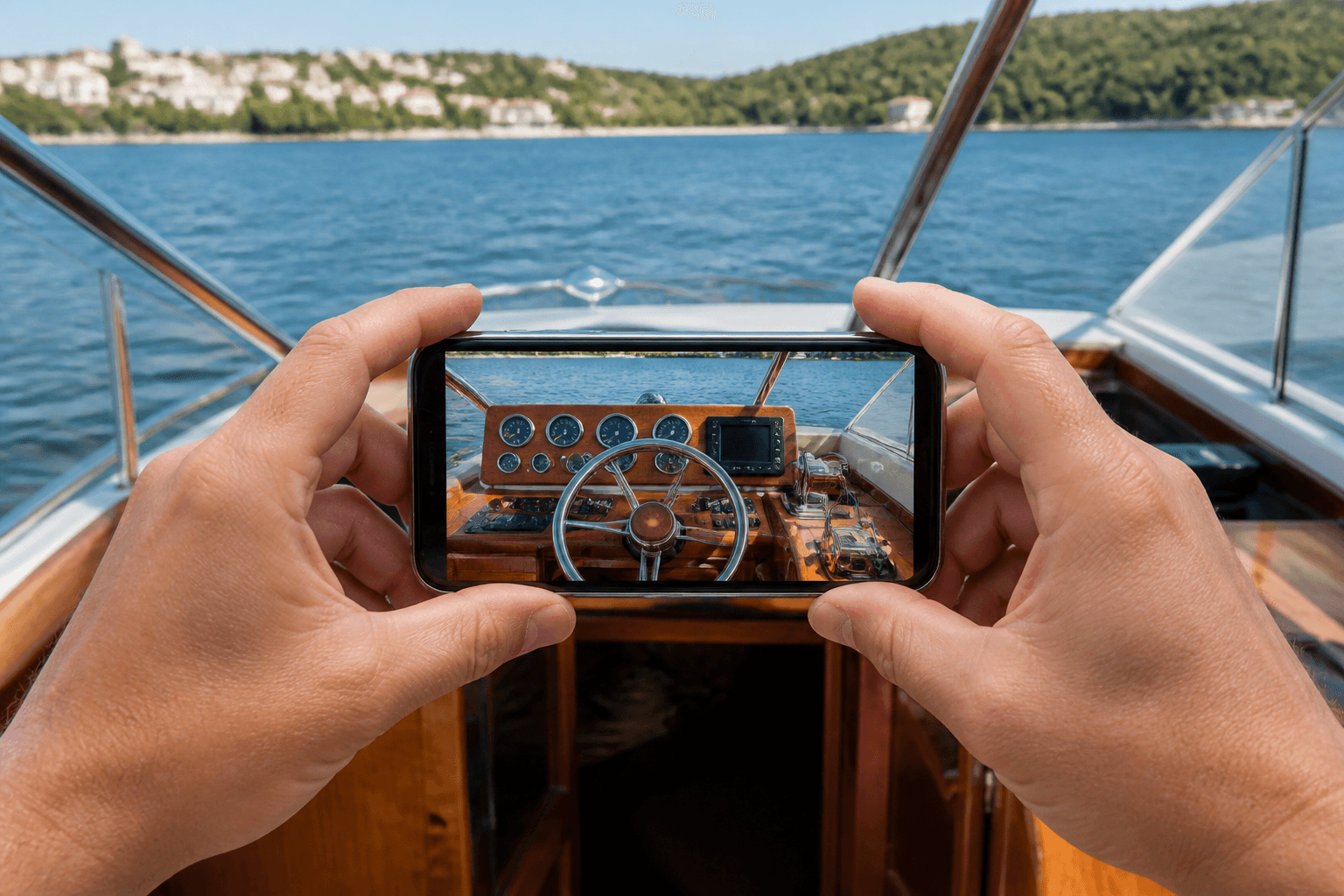
Phones are fine. Cloudy days are better than noon glare. Wash it. Pull the covers. Take the fenders off so it does not look like a storage unit.
You want:
- The whole boat in the water or on the trailer, three-quarter from the bow and from the stern
- Helm, gauges, and the hour meter, even if the number is not pretty
- Engine cowling off, plus the serial plate
- Bilge, because buyers who skip this are the ones who call you angry in October
- Soft spots you already know about. They will find them. Name them first
- The trailer bunks, lights, and VIN plate
- One honest interior shot, not a 0.5x wide angle that turns a 21-footer into a yacht
Twenty good photos beat forty of the same gunwale. Write the make, model, year, and length in the first line of the listing so the pictures have somewhere to live.
Write the listing like you are answering the first five texts
Lead with year, make, model, length, engine, hours, location. Then the story, short.
"2018 Sea Hunt 27, twin 150s, 186 hours, Portland ME. Bottom painted April. Full enclosure. Ready to fish this weekend."
That is a listing. A paragraph about sunsets is not.
Put the asking price in the post. Hiding it does not make the boat feel exclusive. It makes people skip you.
Say what is included. Spare prop, life jackets, a GPS that actually has charts, the trailer. Say what is not. The dinghy on the davits that belongs to your neighbor is a lawsuit if you get cute.
Link the folder. Survey, oil receipts, impeller dates, winterize invoice. The next owner pays more for a boat that looks maintained, which is the same advice as year one of owning one, just from the other side of the table.
Where to list it
List it where buyers already look for boats near them, not on six free classifieds you will forget to update.
Seabay is built for this: photos, specs, asking price, and a thread with the buyer that is not your personal cell number leaking onto Facebook. Put it in front of people searching boats nearby, then keep the same listing current. If the price changes, change it once.
Craigslist and Facebook still work in some towns. They also attract tire-kickers and "is this available" at 11 p.m. If you use them, use a Google Voice number and the same photos, same price, same facts. Split listings with different numbers make you look like a flipper.
A slip-side "For Sale" sign still sells boats. Put the listing URL on it so they see the hours before they walk the dock.
Showings, sea trials, and deposits
Meet at the boat, in daylight. Bring a copy of the title, not the original in your back pocket on a wet dock.
A serious buyer wants a survey and a sea trial. Let them. Pay for your own haul-out if you were going to anyway. Their surveyor is not your friend and should not be. If the survey finds a real problem, renegotiate or walk. If it finds a two-year-old zinc, that is not a problem.
Do not sea trial with a stranger at the helm and a full tank of your gas as the only plan. You run it first. They ride. If they want to drive, they can, with you next to the keys.
A deposit holds the boat off the market while they survey. Put the amount and the refund rules in writing. Cash in a handshake is how people get stuck with a boat that is "sold" and a buyer who vanished.
Paperwork, payment, and walking away
Bill of sale with hull ID, price, date, names, and "as-is" if that is the deal. Both of you sign. Keep a copy.
Get paid before the boat leaves. Wire to your bank, cashier's check you verify, or an escrow service that actually handles vessels. Personal checks and "my cousin Venmo" are how private sellers fund someone else's fishing season.
Hand over keys, title, and the maintenance folder together. Not the keys on Tuesday and the title "in the mail."
State tax is the buyer's problem in most places, but you still file whatever your state wants from the seller. Some want a notice of sale so you are not on the hook when they hit a piling in November.
After it sells
Cancel the insurance once the buyer has coverage in force, not the night you shake hands. Pull your trailer plates if they stay with you. Take the listing down the hour the money clears, on every site you used.
If it does not sell in a few weeks, the photos or the price are wrong. Rarely the "market is just slow" story you want to tell yourself. Recut the photos. Drop the ask by an amount a buyer can feel, not $200 on a $40,000 boat.
A private sale is not mysterious. It is a clean title, honest pictures, a number that matches last month's comps, and a sea trial you are not afraid of. Do those, and the rest is waiting for the right person to be tired of renting.